Introduction
Digital advertising has evolved rapidly in the past decade. From banner ads to social media campaigns, businesses are constantly looking for innovative ways to capture user attention. Among these methods, Push Ads have emerged as one of the most effective and user-friendly ad formats. With billions of smartphone and desktop users opting into notifications, push advertising has become a powerful tool for marketers to engage customers instantly.
This article explores what push ads are, how they work, their benefits, and the best strategies for maximizing results.
What Are Push Ads?
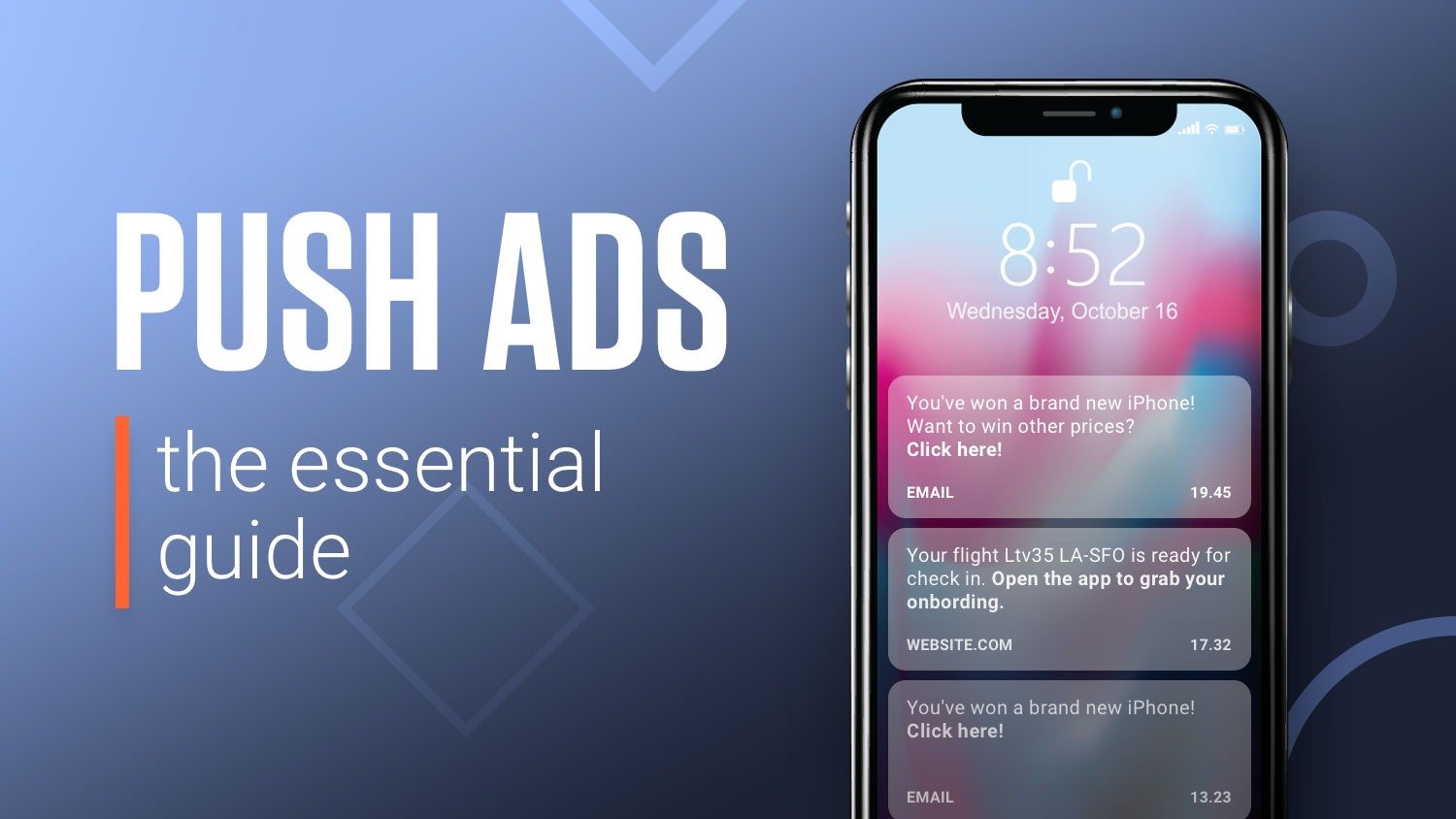
Push Ads are native-style notifications sent directly to a user’s desktop or mobile device through a browser or app. Unlike traditional ads that interrupt the browsing experience, push ads appear like normal system notifications. They typically include:
- A headline
- A short description
- An image or icon
- A clickable link
Since users must opt-in to receive notifications, push ads often achieve higher engagement and conversion rates compared to display banners or pop-ups.
How Do Push Ads Work?
- User Subscription – A user visits a website or installs an app and agrees to receive notifications.
- Ad Delivery – The advertiser creates a campaign using a push ad network.
- Notification Display – The ad is delivered as a notification on the user’s device.
- User Action – If interested, the user clicks the ad and is redirected to the advertiser’s landing page or offer.
Benefits of Push Ads
1. High Engagement
Because users voluntarily subscribe, push ads achieve higher CTR (Click-Through Rates) compared to banners or pop-ups.
2. Real-Time Communication
They allow instant delivery of promotions, updates, or offers directly to a user’s screen.
3. Cross-Device Reach
Push ads work seamlessly on both desktop and mobile, maximizing audience reach.
4. Cost-Effective
Compared to traditional advertising, push ads are relatively low-cost while offering high ROI.
5. Ad Fatigue Resistance
Unlike social media ads that users can scroll past, push ads appear natively in the notification tray, making them harder to ignore.
Best Industries for Push Ads
Push ads are particularly effective for:
- E-commerce & Retail (flash sales, discounts, product launches)
- Finance & Trading (crypto, forex, loan offers)
- Gaming & Entertainment (new releases, promotions)
- News & Media (breaking news alerts, trending updates)
- Affiliate Marketing (CPA, CPL offers)
Best Practices for Running Push Ads
1. Craft Attention-Grabbing Headlines
Keep headlines short, powerful, and curiosity-driven.
2. Use High-Quality Images
A strong visual can increase CTR dramatically.
3. Target the Right Audience
Segment users by location, device, and interests.
4. Optimize Frequency
Too many push ads may cause unsubscriptions; balance is key.
5. Test & Optimize
Run A/B tests with different creatives, copy, and timing.
Challenges of Push Ads
While push ads are powerful, they come with challenges such as:
- User Fatigue – Overuse may lead to high opt-out rates.
- Ad Restrictions – Some browsers limit aggressive push advertising.
- Quality Control – Poorly designed ads can damage brand trust.
Conclusion
Push Ads remain a highly effective digital marketing strategy in 2025. Their ability to deliver real-time, personalized messages directly to users makes them a favorite among marketers and businesses. By following best practices and maintaining ethical advertising, push ads can deliver excellent results and long-term customer engagement.